
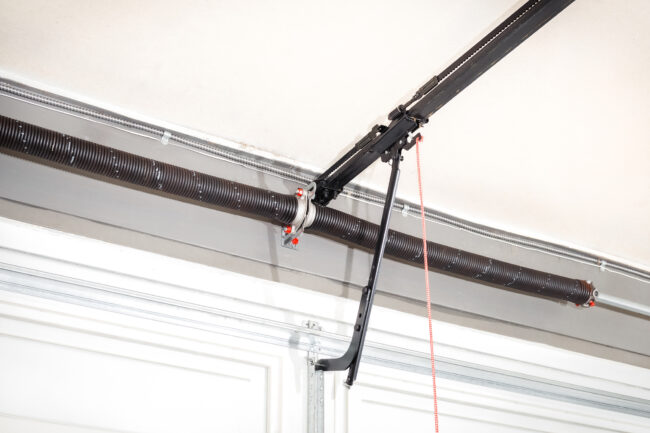
Garage door cables are easy to overlook until one breaks. These thin steel cables work with your springs to raise and lower a door that can weigh 150 pounds or more. When a cable frays or snaps, the door can become uneven, stuck, or dangerous to operate. If you live in Granada Hills and notice cable trouble, the safest move is to stop using the door and call Carroll Garage Doors at 888-578-2360 for professional garage door repair.
What Do Garage Door Cables Do?
Garage door cables carry the lifting force from the springs to the bottom of the door. On a door with torsion springs, the cables wind around drums at each end of a shaft above the opening. On a door with extension springs, the cables run through pulleys along the sides of the tracks. In both systems, the cables keep the door balanced and help it move smoothly. Because they’re under constant tension, even a small weak spot can turn into a sudden failure.
What Are the Warning Signs of a Bad Garage Door Cable?
The most common signs of a worn or failing cable include:
- Visible fraying: Broken strands sticking out from the cable, especially near the bottom brackets or drums.
- Rust or corrosion: Discolored, rough cable that has lost its flexibility.
- A crooked door: One side rises or lowers faster than the other, leaving the door tilted.
- Slack or loose cable: A cable hanging loose or unwound from its drum.
- Jerky movement: The door shudders, stalls, or slams down harder than usual.
- A loud snap: A sharp bang from the garage often means a cable or spring has broken.
If you see any of these, don’t keep running the opener. Forcing the door can bend panels, damage the tracks, or cause the door to fall.
Why Do Garage Door Cables Fail?
Cables wear out for a few predictable reasons. Normal use is the biggest factor, since every open-and-close cycle puts stress on the steel. Many Granada Hills homes were built decades ago, and older doors often still have original or long-neglected hardware. Dust, dry heat, and seasonal winds in the northern San Fernando Valley can also add grit to moving parts, speeding up wear on cables, pulleys, and drums. Other causes include a broken spring that shifts extra load onto the cables, misaligned tracks, and worn bottom brackets that rub against the cable.
Can You Replace Garage Door Cables Yourself?
Replacing garage door cables isn’t a safe DIY project for most homeowners. The cables are connected to springs that hold enormous tension, and releasing or rewinding that tension without the right tools and training can cause serious injury. A cable that comes loose under load can whip with real force, and a door that drops unexpectedly can crush anything below it.
A trained technician will secure the door, safely release spring tension, install cables of the correct length and rating, and rebalance the door so it moves evenly. They’ll also check related parts like drums, pulleys, springs, and bottom brackets, because a cable failure is often a sign that something else needs attention.
How Can You Make Garage Door Cables Last Longer?
A few simple habits help protect your cables between service visits:
- Look at the cables every couple of months for fraying or rust, without touching them.
- Watch for a crooked door or new noises when it opens and closes.
- Keep the area around the bottom brackets clean and dry.
- Schedule routine professional maintenance so worn parts get caught early.
Get Safe Garage Door Cable Repair in Granada Hills
A frayed or snapped cable is a problem that only gets worse with time. Carroll Garage Doors has been helping homeowners with garage door repairs since 1995, and our technicians can replace damaged cables and get your door back to smooth, safe operation. If you’re seeing warning signs, visit our Granada Hills garage door service page or call Carroll Garage Doors at 888-578-2360 to schedule service today.


